

Retinol is one of the most researched actives in skin care. Its name comes up for everything from the look of wrinkles to uneven tone, but because it is just as “powerful” as it is “how you use it,” it is an ingredient where proper use really matters. In this article, we explain in simple terms what retinol is, what it does for skin, how it differs from retinal, and how you can add it to your routine safely.
What Is Retinol?
Retinol is a vitamin A derivative used in skin care. It is a member of the retinoid family; within this family, the most commonly used forms in over-the-counter cosmetic products are retinol and retinal (retinaldehyde). When applied to the skin, it is gradually converted by cells into its active form, which is why results show up over time with consistent use.
What Does Retinol Do for Skin?
In cosmetic literature, the key talking points for retinol are:
- Supports skin renewal: It contributes to the skin’s natural renewal cycle, which can help the surface look smoother.
- The look of fine lines and wrinkles: With regular use, it helps support a reduction in the appearance of fine lines and wrinkles.
- Skin tone: It helps balance the look of uneven tone and dullness.
- The look of pores: It supports the look of tighter-looking pores.
These effects are not overnight; they are typically noticed over weeks with consistent use. Patience is part of a retinol routine.
The Difference Between Retinol and Retinal
Retinal (retinaldehyde) is one step closer than retinol to the active form; for that reason, it can deliver faster results at the same concentration. On the other hand, it is a more unstable molecule when carrier technologies like encapsulation are not used. In products like Murad’s Retinal ReSculpt night serum, retinal is encapsulated in a special delivery system to help improve stability. Which form is right for you depends on your skin’s tolerance: for someone new to retinol, classic retinol may be the better place to start, while retinal can be a logical next step for experienced users.
How Do You Start Using Retinol?
- Start with a low frequency. For the first two weeks, two nights per week is enough. As your skin adjusts, gradually increase frequency.
- Use it at night. Retinol is sensitive to light; apply it in your nighttime routine to clean, dry skin.
- A small amount is enough. Use a pea-sized amount for the entire face; for the eye area, choose formulas specifically made for the eye area.
- Support with a moisturizer. You can apply moisturizer after retinol, or (for sensitive skin) apply moisturizer first (“the sandwich method”) to help reduce the risk of irritation.
- Sunscreen is a must during the day. Skin using retinol may be more sensitive to the sun; every morning, a broad-spectrum sunscreen is essential.
What Should You Watch Out for When Using Retinol?
- The retinization period: In the first weeks, mild dryness, flaking, or redness may occur. This is a temporary adjustment period; if symptoms become uncomfortable, reduce how often you use it.
- Avoid combining it on the same night with high-concentration acids (AHA/BHA) and vitamin C; separate these actives into different days or split them between morning/evening.
- During pregnancy and breastfeeding, retinoid use is not recommended; consult a physician during this time.
- If you have a skin condition or active irritation, consult your dermatologist before starting retinol.
Retinol and Retinal Products at Guzellik Burada
Murad’s patented Retinol Tri-Active Technology is a combination of a fast-acting retinoid, a time-released retinol, and a retinol booster. Products featuring this technology include:
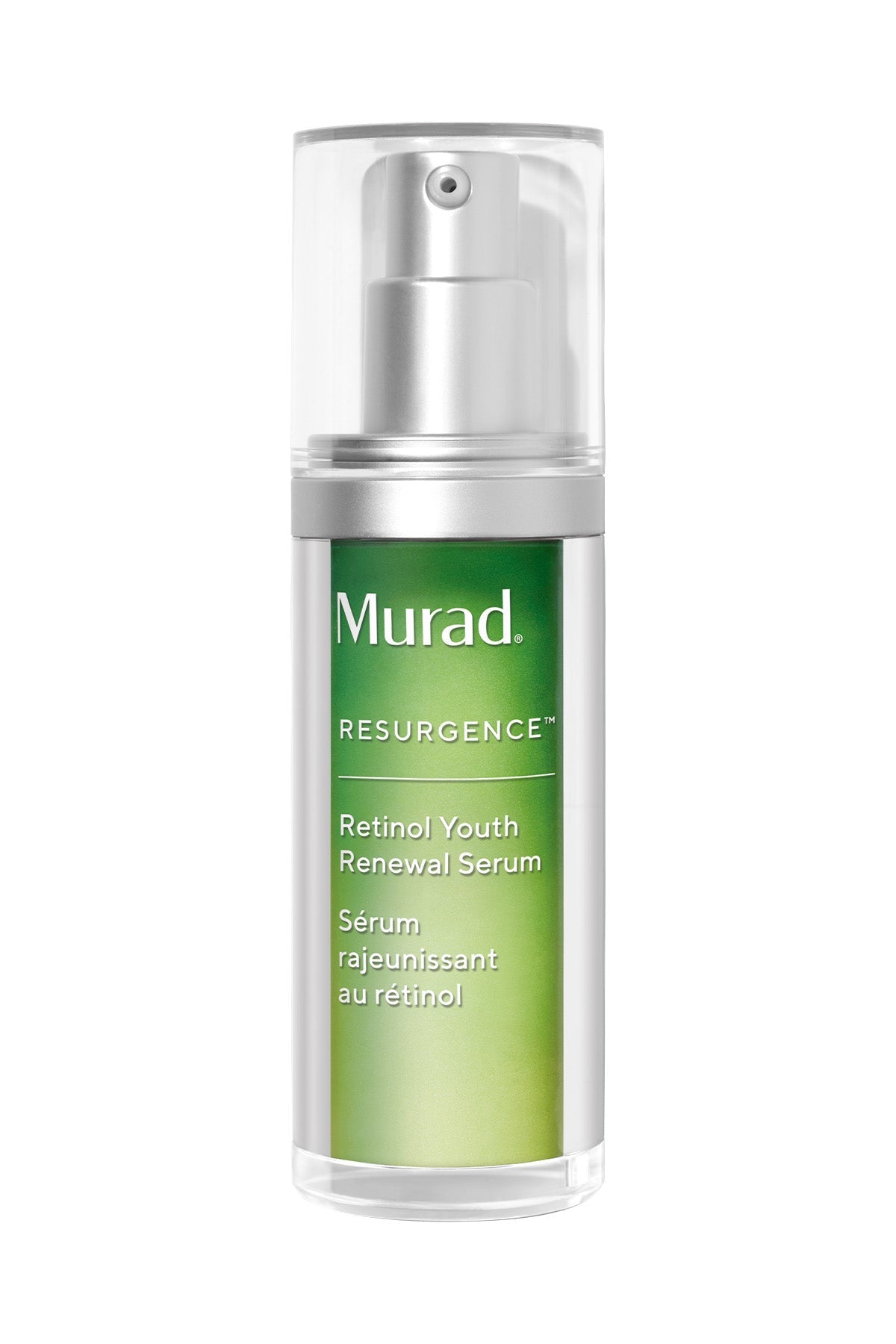
- Retinol Youth Renewal Serum — retinol serum for the face
- Retinol Youth Renewal Night Cream — night cream
- Retinol Youth Renewal Eye Serum — for the eye area, including the eyelid
On the retinal side, you will find Retinal ReSculpt Overnight Treatment, Retinal ReSculpt Eye Treatment, and for the body, Retinal ReSculpt Body Treatment. You can see all of our anti-wrinkle products in the Anti-Wrinkle category.
This article is for general informational purposes; for your personal skin concerns, consulting a dermatologist is recommended.
